
10 Years of Experience | Family & Veteran Owned
CALL US NOW: (818) 797-408510 Years of Experience | Family & Veteran Owned
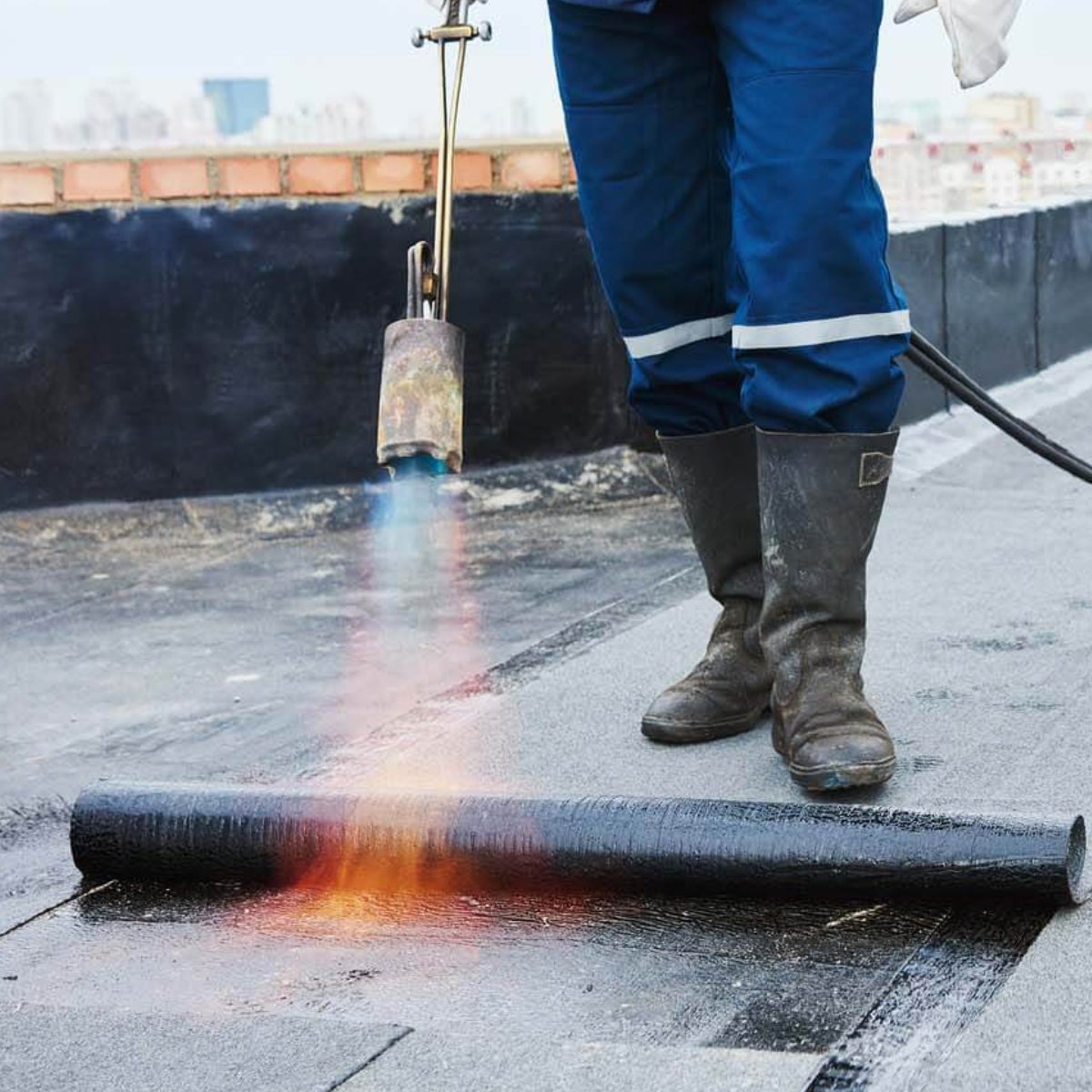
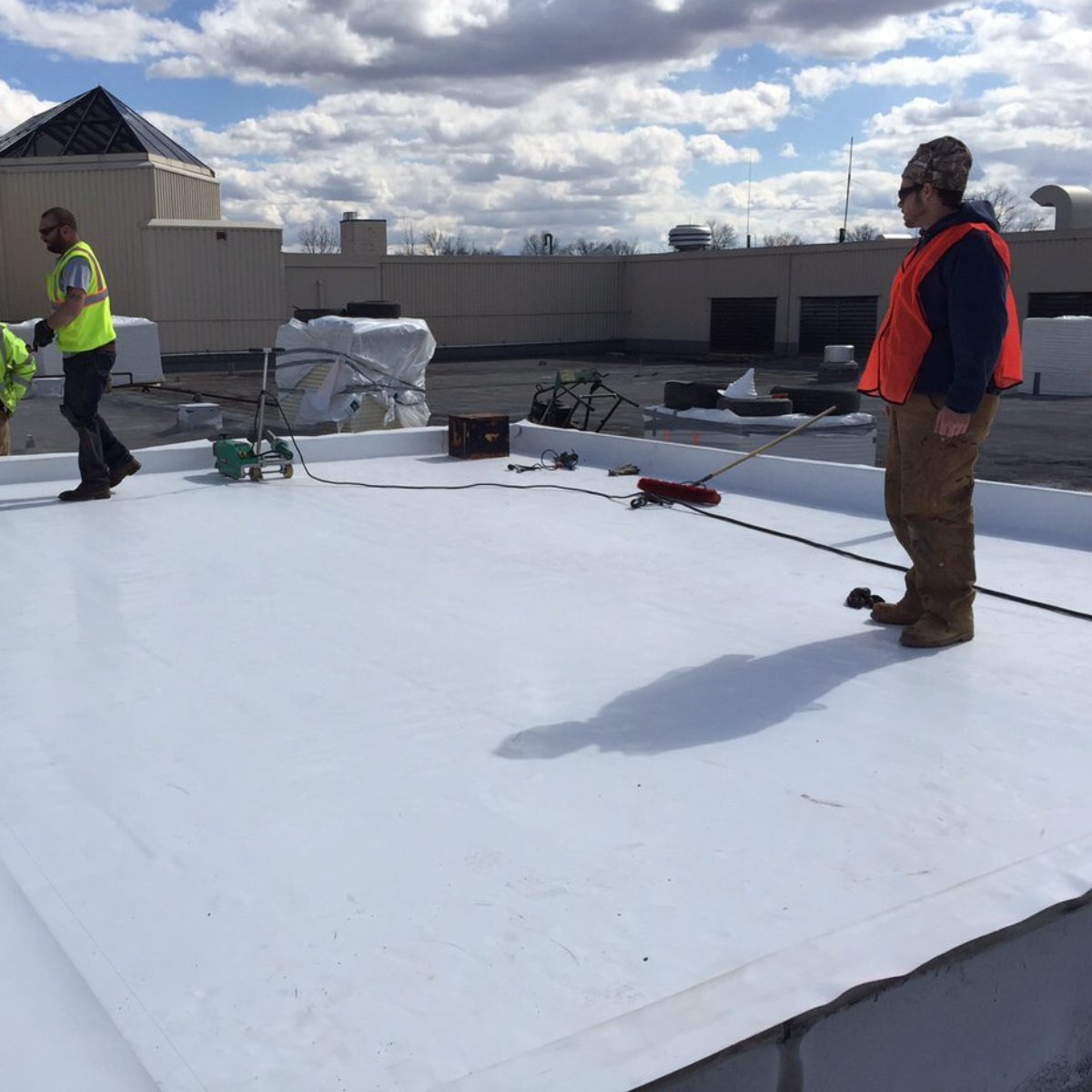
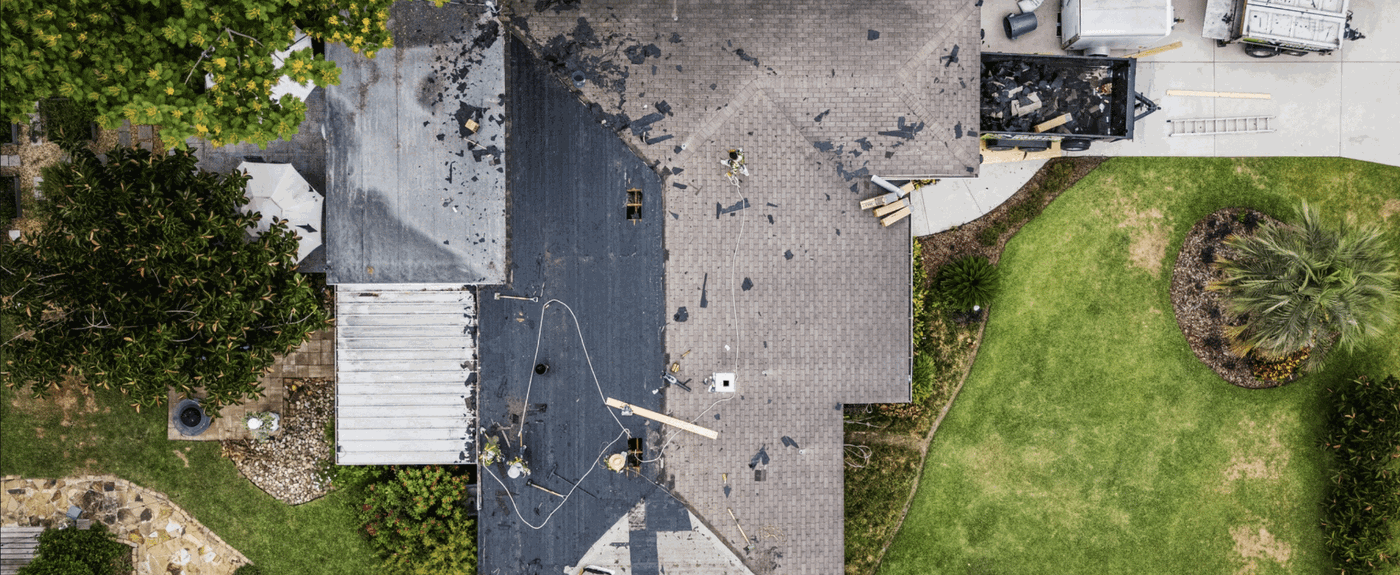
CALL US NOW: (818) 797-4085This page covers how free roof program work is actually carried out in Lomita — what happens on site, how material choice is affected by local conditions, what moves the price, and the permit position in Los Angeles County. It is written for property owners weighing up the job rather than as a sales pitch.
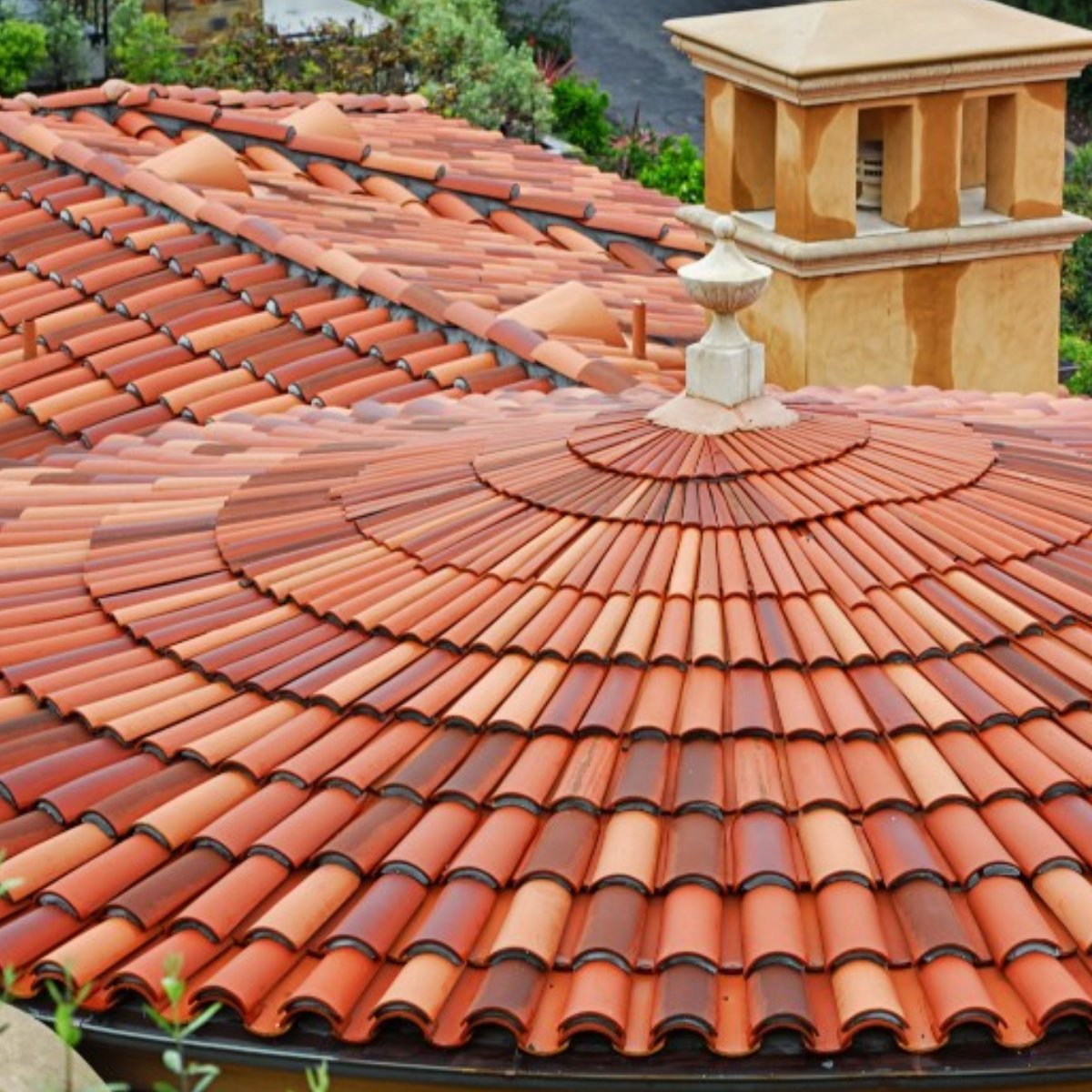
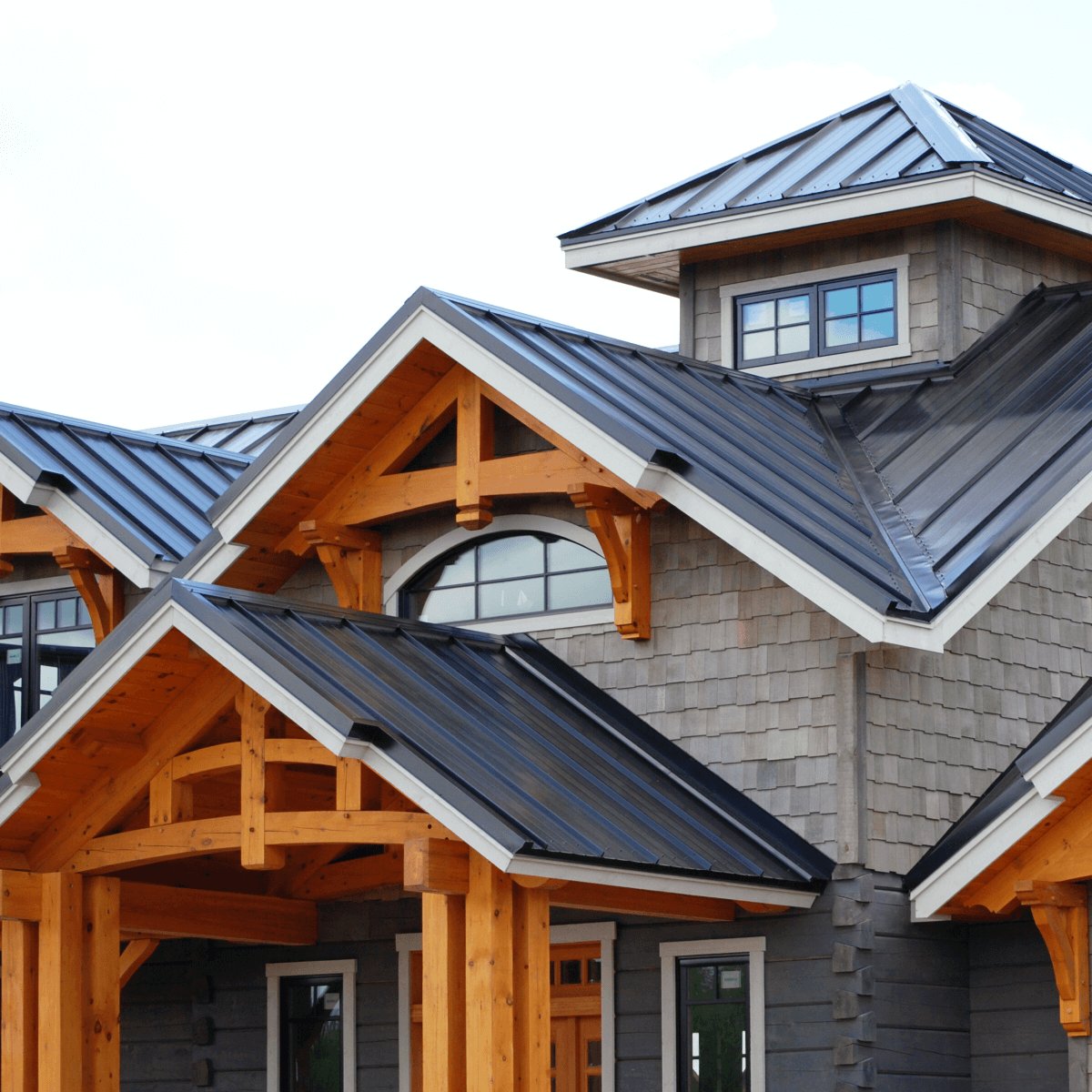
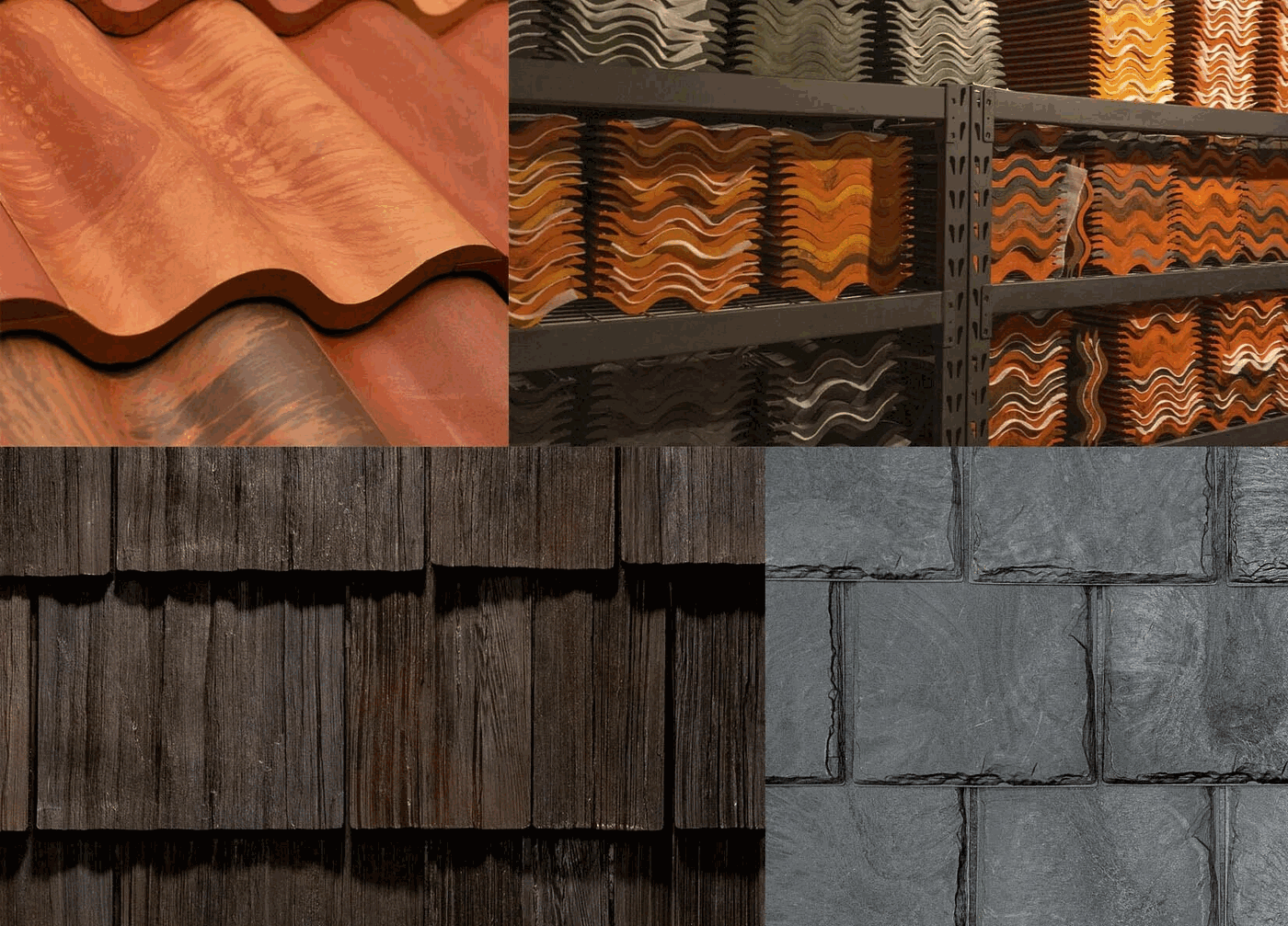
Inland, the material has to tolerate sustained UV and wide daily movement. Tile and metal both cope well. Asphalt shingle is still a sound economic choice provided the underlayment is rated for high temperatures and the attic is properly vented.
No two Lomita roofs price the same. These are the factors that actually change the number, in rough order of impact:
Most cities in Los Angeles County require a permit for a full tear-off and re-cover, and many limit how many roofing layers may remain in place. Inspections are typically scheduled at underlayment stage and again at completion. We pull the permit for Lomita work ourselves rather than leaving it with you.
Repair is usually the right answer, but not always. Consider replacement when:
We cover Lomita along with Rolling Hills Estates and Carson, and we will tell you honestly which side of that line your roof sits on. An inspection and written quote cost nothing.



Very honest and easy to work with. They explained everything clearly and didn’t try to upsell anything. Roof looks great and no more issues.
Had some storm damage and they handled everything smoothly. Helped us through the process and got the job done fast. Very reliable.
Great communication from start to finish. Showed up on time, kept everything clean, and the roof came out perfect. Really solid crew.
Great communication from start to finish. Showed up on time, kept everything clean, and the roof came out perfect. Really solid crew.
Had some storm damage and they handled everything smoothly. Helped us through the process and got the job done fast. Very reliable.
You can tell they know what they’re doing. Quality work, fair price, and no shortcuts. I’d definitely use them again.
Your home is most likely the largest investment you’ll ever make, and your roof is its most important security blanket! We opened our own Roofing company because the roofing experience is dull for homeowners. Our goal was to bring a new level of trust and professionalism to your doorstep. Doing what we say we are going to do this is a mantra of ours.
our Roofing Company is committed to the principles of honesty, integrity, and professionalism in everything we do. Our goal is to communicate efficiently and treat you just like family every step of the way. We want to be a better roofing contractor than most people picture in their minds. I think most people will notice this in the way we handle our business.

That’s Why We Offer Affordable
Options To Suit Your Budget.
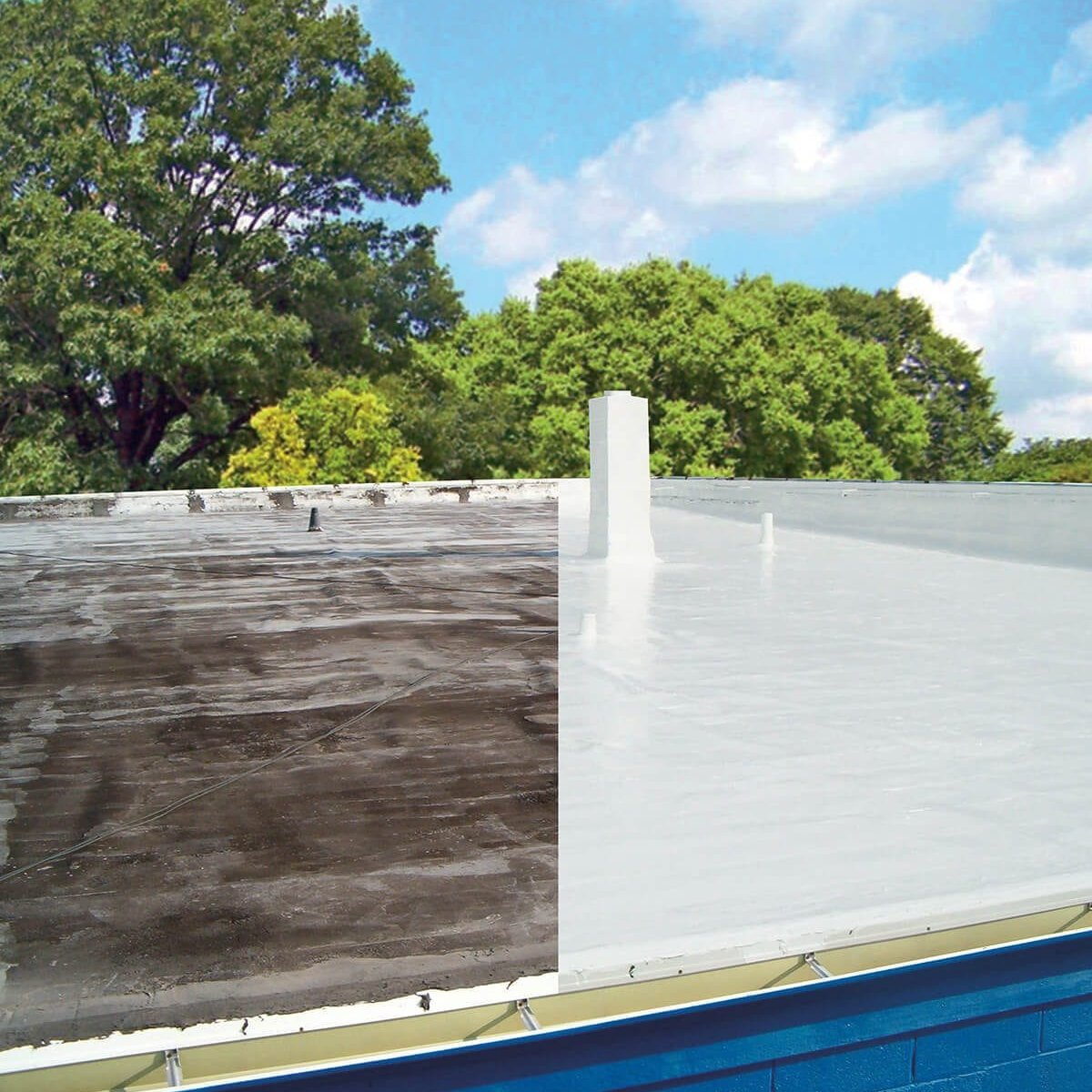
Instead of putting off your new roof for yet another year, ensure your home is in tip-top condition without breaking the bank and making your solution for your roof happen without hidden costs. We offer Roof Restoration & Rejuvenation for Low Slope Roofs & Asphalt Shingles. We work with Manufacture Guaranteed Material & Labor.