
Can Metal Go Over Existing Shingles?
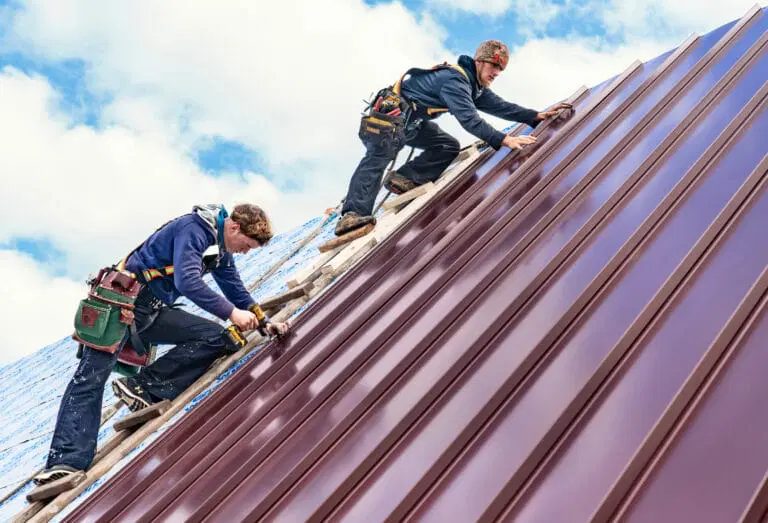
How to read an estimate for a metal roof in the South Bay, and what to compare line by line.
Choosing a roofer is mostly a matter of reading estimates properly, which nobody teaches. For a metal roof in the South Bay, this is what to compare and what to ignore.
What actually matters
Standing seam costs more than exposed-fastener and is worth it in almost every case here, because concealed clips let the panel expand and contract without loosening anything. Panel gauge, coating grade and the number of penetrations to flash around account for most of the rest.
The detail that is usually left out
Read the exclusions before the total. The cheapest quote and the best quote are occasionally the same document, and the exclusions are how you tell. Thermal movement is the detail that decides everything. A long panel in this climate grows and shrinks measurably between a July afternoon and the following dawn, and a fixing system that does not allow for that movement will fight it until something gives. Ask how it will be handled in writing, and the rest of the job tends to go the same way.
What is specific to the South Bay
Salt is the deciding factor within about three miles of the water. It settles on the roof, dissolves in the morning damp and goes after every cut edge, every fastener head and every piece of flashing that is not properly specified. A roof built to a Valley specification will show rust streaking at the eaves here inside ten years, and the material around it will still be sound. A lot of the housing is single-storey post-war with later second-storey additions, which puts a transition detail in the middle of the roof where two eras of workmanship meet.
What we look at before quoting
- Fastener condition on any exposed-fix section, including washer hardening
- Clip engagement and any sign of thermal binding along standing seams
- Seam integrity down the full run, not only at the visible ends
- Coating condition, with particular attention to cut edges and scratches
- Sealant at penetrations, end laps and every transition
- Panel oil-canning, which is cosmetic but can point to fixing problems
- Corrosion at eaves, cut edges and any point where dissimilar metals meet
Common questions
What should I check before signing?
Licence status, that the written scope matches what was discussed, and that deck repair is priced per sheet rather than left open.
Is a deposit normal?
A reasonable one is. What is not normal is a large payment before materials are on site, and California limits what can be asked for up front.
The honest summary
Metal is the longest-lived option available here, but only if the fixing system suits the movement. Ask how the panels are held down before you ask what they cost. In the South Bay the thing to watch is fastener and flashing corrosion, cut edges, and the junction where an addition meets the original roof.
Free inspection, drone photography where access is difficult, and a written estimate with deck repair priced per sheet. No obligation.