
Choosing a Shingle for the Valley UV Load — A Practical Guide
How to read an estimate for an asphalt shingle roof in the Valley, and what to compare line by line.
Choosing a roofer is mostly a matter of reading estimates properly, which nobody teaches. For an asphalt shingle roof in the San Fernando Valley, this is what to compare and what to ignore.
What actually matters
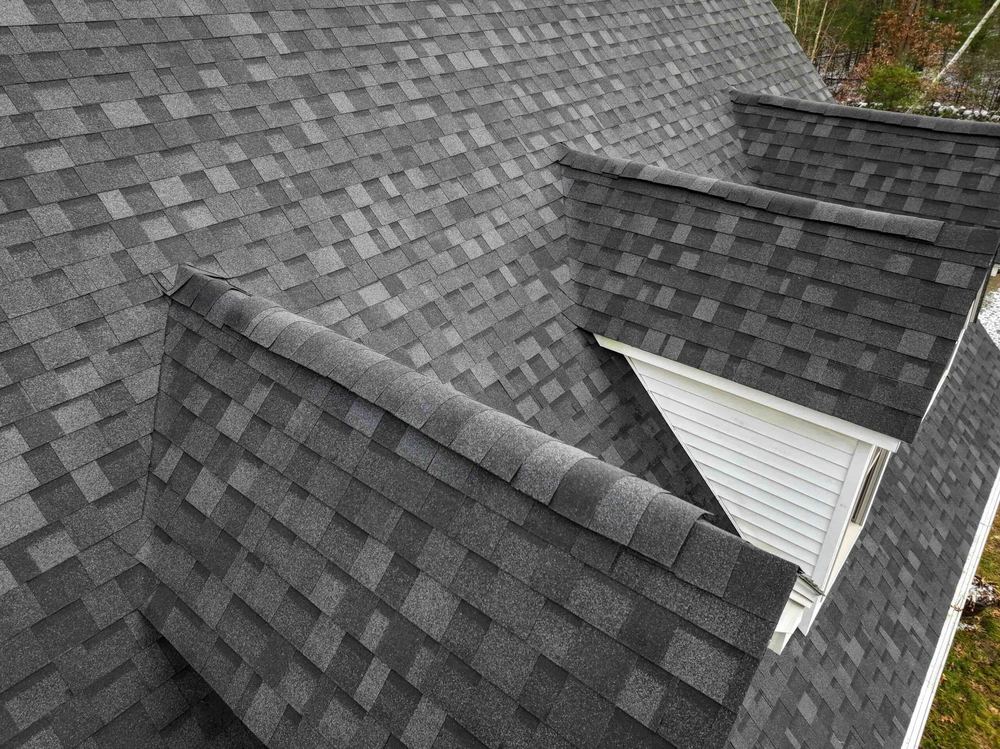
Layer count, deck condition and roof complexity move the figure more than the shingle you choose. Tearing off two existing layers instead of one adds disposal and labour before a single new shingle goes down, and a cut-up roof with several valleys and dormers takes far longer per square than a simple gable.
The detail that is usually left out
Read the exclusions before the total. The cheapest quote and the best quote are occasionally the same document, and the exclusions are how you tell. The starter course and the drip edge are where cheap work shows first. A starter strip laid the wrong way round, or an eave with no metal under the first course, will wick water back into the fascia no matter how good the shingles above it are. Ask how it will be handled in writing, and the rest of the job tends to go the same way.
What is specific to the San Fernando Valley
Summer is the problem here. The Valley runs ten to fifteen degrees hotter than the coast and holds it for weeks, so a roof surface that reads 90 degrees in Santa Monica is well past 160 in Van Nuys by mid-afternoon. Everything on the roof expands into that heat and contracts again overnight, and it is that daily movement, not the peak temperature, that opens laps and backs fasteners out. Most of the housing went up between 1950 and 1975, which means original decking, undersized ventilation and at least one previous layer that somebody roofed straight over rather than tearing off.
What we look at before quoting
- Granule loss across the field, and how much is sitting in the gutters
- Curling, cupping or cracking, particularly on the sun-facing slopes
- Nail placement and whether shingles have begun to back off the deck
- Valley construction, and whether it is woven, closed-cut or metal-lined
- Flashing at every wall, chimney, skylight and pipe penetration
- Deck condition underfoot, checked by walking rather than by eye
- Attic ventilation, both intake at the eave and exhaust at the ridge
Common questions
What should I check before signing?
Licence status, that the written scope matches what was discussed, and that deck repair is priced per sheet rather than left open.
Is a deposit normal?
A reasonable one is. What is not normal is a large payment before materials are on site, and California limits what can be asked for up front.
The honest summary
Shingle roofs rarely fail suddenly. They give years of warning through granule loss and edge curl, and the difference between a planned replacement and an emergency one is usually whether anybody was looking. In the San Fernando Valley the thing to watch is attic temperature and intake ventilation, because a Valley attic that cannot breathe cooks the underside of the roof as hard as the sun cooks the top.
Free inspection, drone photography where access is difficult, and a written estimate with deck repair priced per sheet. No obligation.
More on Shingle Roofing
- Storm-Lifted Tabs After a Santa Ana Event — Myths and FactsShingle Roofing
- What a Shingle Re-Roof Costs in Ventura County — Inspection NotesShingle Roofing
- What a Shingle Re-Roof Costs in LA — Contractor PerspectiveShingle Roofing
- What a Shingle Re-Roof Costs in Long Beach — Inspection NotesShingle Roofing