
Coating Over Wet Insulation: Do Not — What you can check in the San Gabriel Valley
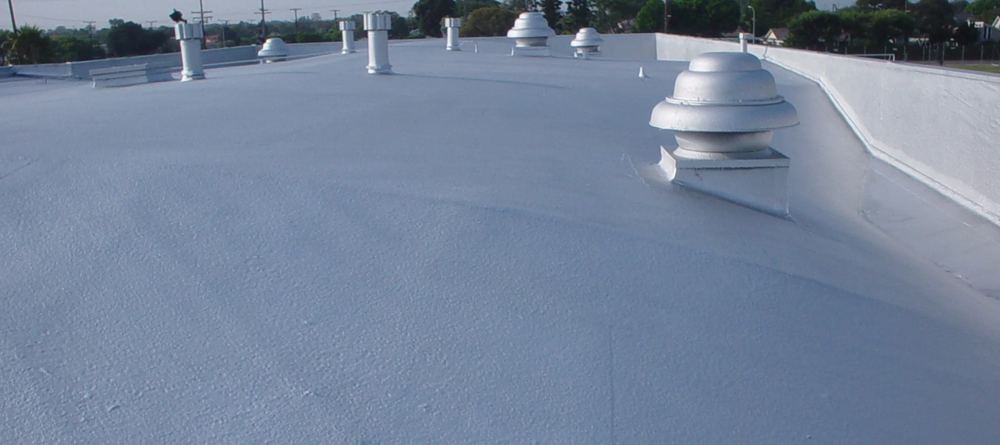
What you can check on a roof coating in the San Gabriel Valley from the ground, from the driveway and the attic.
You can learn a lot about a roof without going anywhere near it, and none of the checks worth doing require climbing. This is what to look at on a roof coating in the San Gabriel Valley, safely, from the ground.
What you can check yourself
A coating is a renewal of a roof that still works, not a repair of one that does not. Applied to the right substrate it can add years for a fraction of a tear-off; applied to the wrong one it seals a problem inside.
What to leave alone
Stay on the ground and use the attic. Binoculars from the driveway and a torch in the roof space find nearly everything worth finding. Wet film thickness is the number that matters. It is measured during application with a simple gauge, and it is the only way to know the roof is getting the millage that was quoted rather than a thinner coat spread further. As soon as you find something you cannot explain, stop looking and get it assessed.
What is specific to the San Gabriel Valley
Heat and airborne grit arrive together. The Valley traps particulate against the hills, and that grit settles into every horizontal surface on the roof, then washes into the drainage in the first storm. Combine that with sustained summer heat and you get roofs that age from accumulated debris as much as from weather. Tile is everywhere, much of it laid in the 1960s and 1970s over a felt underlayment that has long outlived its design life while the tile above it looks perfect.
What we look at on an inspection
- Substrate moisture, established before anything is quoted
- Adhesion, confirmed by test patch rather than assumed
- Surface contamination, chalking and existing coating compatibility
- Seam and penetration reinforcement requirements across the roof
- Ponding areas, which need drainage correction before coating
- Wet film thickness recorded during application
- Manufacturer specification for the substrate actually present
Common questions
What can I check from inside?
A great deal. The attic shows staining, daylight through the deck and ventilation problems long before anything appears on a ceiling.
When do I stop looking and call somebody?
As soon as you find anything you cannot explain, and immediately if there is any sign of water inside.
The honest summary
A coating over a sound, dry, properly prepared roof is one of the best-value things available. Over wet insulation it is money spent trapping the problem where nobody can see it. In the San Gabriel Valley the thing to watch is underlayment condition beneath sound-looking tile, and debris load in valleys and gutters.
Free inspection, drone photography where access is difficult, and a written estimate with deck repair priced per sheet. No obligation.