
Granule Loss: When to Worry — Myths and Facts
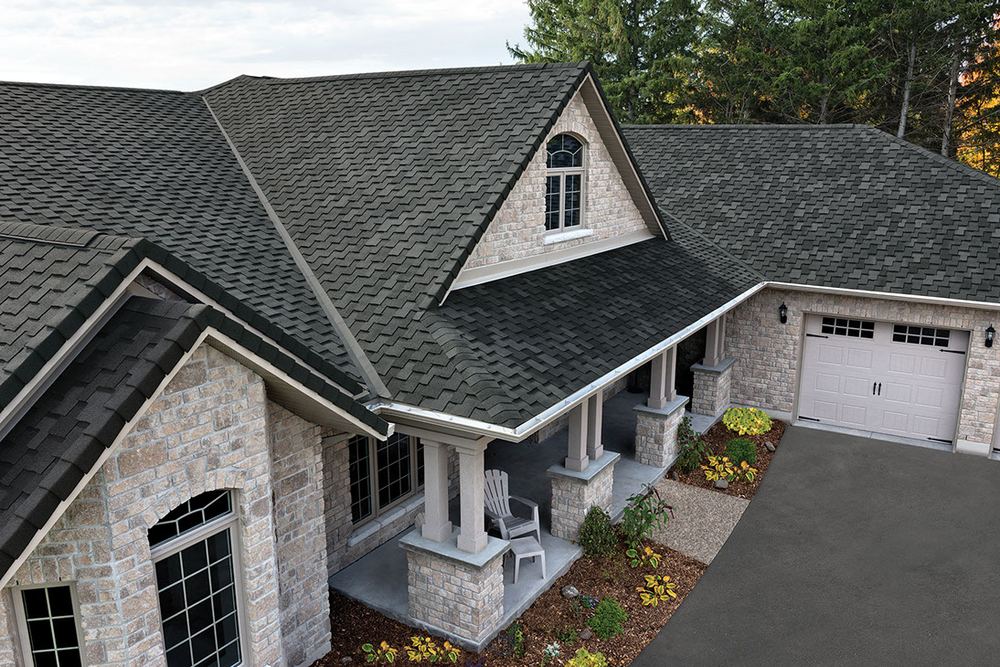
When to schedule work on an asphalt shingle roof in West LA, and what waiting actually costs.
When roofing work happens matters nearly as much as who does it. For an asphalt shingle roof in the Westside, here is how the calendar affects both the work and what it costs.
What actually matters
A shingle roof is a water-shedding system, not a waterproof one. Every course relies on the course above it and on the underlayment beneath, so the covering and the layer under it fail together and have to be judged together.
Why timing changes the price
Booking in the dry season is cheaper as well as easier. Crews are not compressed, the roof can be opened safely, and nothing has to be rushed closed ahead of weather. The starter course and the drip edge are where cheap work shows first. A starter strip laid the wrong way round, or an eave with no metal under the first course, will wick water back into the fascia no matter how good the shingles above it are. An open roof in December costs a great deal more than the same work in September.
How the Westside changes the answer
The marine layer decides most of what happens here. Roofs sit damp until late morning for a good part of the year, dry out in the afternoon, and do it again the next day. That cycle is gentle on the material and hard on anything organic: north-facing slopes hold moss and algae, and shaded valleys stay wet long enough to rot a felt underlayment that would have been fine two miles inland. There is a wide spread of stock, from 1920s Spanish with original clay through to flat-roofed modern rebuilds, and the two need completely different attention.
What we look at on an inspection
- Granule loss across the field, and how much is sitting in the gutters
- Curling, cupping or cracking, particularly on the sun-facing slopes
- Nail placement and whether shingles have begun to back off the deck
- Valley construction, and whether it is woven, closed-cut or metal-lined
- Flashing at every wall, chimney, skylight and pipe penetration
- Deck condition underfoot, checked by walking rather than by eye
- Attic ventilation, both intake at the eave and exhaust at the ridge
Common questions
When is the best time to have this done?
Late spring through early autumn, while the roof can be opened up safely and the schedule is not compressed by everyone calling at once.
Is it cheaper out of season?
Often, and it is certainly quicker. Emergency work in the middle of a wet week is the most expensive way to buy roofing.
The honest summary
Shingle roofs rarely fail suddenly. They give years of warning through granule loss and edge curl, and the difference between a planned replacement and an emergency one is usually whether anybody was looking. In the Westside the thing to watch is north slopes, shaded valleys and anywhere the morning damp does not clear by noon.
Free inspection, drone photography where access is difficult, and a written estimate with deck repair priced per sheet. No obligation.
More on Shingle Roofing
- How Long Do Asphalt Shingles Last in the Westside? — What Changed This YearShingle Roofing
- How Long Do Asphalt Shingles Last in Southern California? — What to ExpectShingle Roofing
- How Long Do Asphalt Shingles Last in Pasadena? — What Changed This YearShingle Roofing
- How Long Do Asphalt Shingles Last in the Westside? — What to ExpectShingle Roofing