
Matching Discontinued Tile Profiles in Burbank — What to Expect
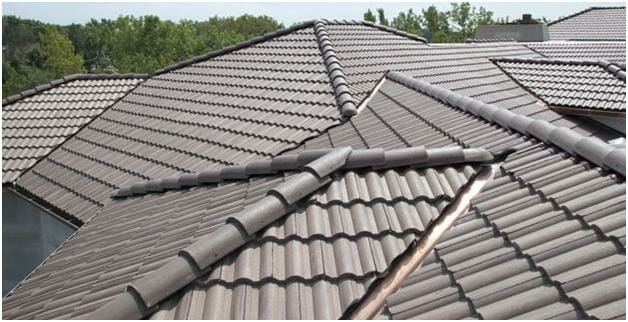
What a real inspection covers on a tile roof in the Valley, and what usually gets skipped.
A roof inspection is only as good as what gets looked at, and a lot of what gets called an inspection is a walk round the garden with a phone camera. This is what a real one covers on a tile roof in the San Fernando Valley.
What actually matters
The tile is not what keeps water out. The tile is a rain screen and a sunshade; the underlayment beneath it is the actual waterproofing, and it is the part with the shorter life. An inspection that does not account for that is looking at the wrong layer.
The detail that is usually left out
An inspection is only as good as what gets looked at, and photographs of specific defects are what let you get a second opinion without a second visit. Bird stops, eave closures and the mortar at the ridge are what most quotes leave out. Leave them off and you have an open roof edge that invites nesting, debris and, in the fire zones, embers. Anything under half an hour on an average house has skipped something.
What is specific to the San Fernando Valley
Summer is the problem here. The Valley runs ten to fifteen degrees hotter than the coast and holds it for weeks, so a roof surface that reads 90 degrees in Santa Monica is well past 160 in Van Nuys by mid-afternoon. Everything on the roof expands into that heat and contracts again overnight, and it is that daily movement, not the peak temperature, that opens laps and backs fasteners out. Most of the housing went up between 1950 and 1975, which means original decking, undersized ventilation and at least one previous layer that somebody roofed straight over rather than tearing off.
The full inspection list
- Underlayment age and condition, checked by lifting tile rather than guessing
- Broken, slipped and previously face-nailed tiles across the field
- Batten condition and fixing, particularly at the eave course
- Valley metal, which usually corrodes before the underlayment fails
- Ridge and hip mortar or mechanical fixing, and any movement in it
- Bird stops and eave closures, present and intact
- Flashing at walls, chimneys and every penetration through the field
Common questions
How long should an inspection take?
Long enough to get on the roof and into the attic. Anything under half an hour on an average house has skipped something.
Should I expect photographs?
Yes, and of the specific defects rather than general views. Photographs are what let you get a second opinion without a second visit.
The honest summary
Judge a tile roof by its underlayment, not its tile. A roof that looks flawless from the driveway can be two winters from a ceiling repair, and the only way to know is to lift a few tiles and look. In the San Fernando Valley the thing to watch is attic temperature and intake ventilation, because a Valley attic that cannot breathe cooks the underside of the roof as hard as the sun cooks the top.
Free inspection, drone photography where access is difficult, and a written estimate with deck repair priced per sheet. No obligation.
More on Tile Roofing
- Matching Discontinued Tile Profiles in the Westside — The Short AnswerTile Roofing
- Walking a Tile Roof Without Breaking It — Inspection NotesTile Roofing
- Why Tile Underlayment Fails Before the Tile — Questions to AskTile Roofing
- Walking a Tile Roof Without Breaking It — Contractor PerspectiveTile Roofing