
Post-Storm Roof Walk: What to Look For — Questions to Ask
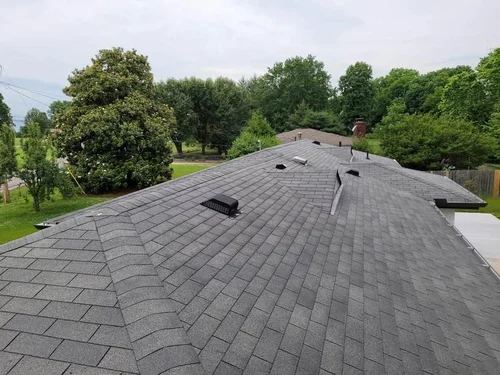
What to do about roof maintenance in the South Bay in the first forty-eight hours, and what to leave until Monday.
After a storm the useful work happens in the first two days, and most of it is documentation rather than repair. This is what to do about roof maintenance in the South Bay once the wind drops.
What actually matters
Roofs in this climate do not usually fail from one dramatic event. They fail from debris nobody cleared, a sealant nobody renewed and a slipped tile nobody replaced, compounding quietly across several dry years until the first real storm finds all three at once.
What to do in the first forty-eight hours
Document before you touch anything: wide photographs to establish the property, then close photographs of each item of damage, all dated. Timing matters more than frequency. One visit in late autumn, before the rains arrive, is worth more than three spread randomly across the year. A tarp fixed through sound covering creates damage that was not there before.
How the South Bay changes the answer
Salt is the deciding factor within about three miles of the water. It settles on the roof, dissolves in the morning damp and goes after every cut edge, every fastener head and every piece of flashing that is not properly specified. A roof built to a Valley specification will show rust streaking at the eaves here inside ten years, and the material around it will still be sound. A lot of the housing is single-storey post-war with later second-storey additions, which puts a transition detail in the middle of the roof where two eras of workmanship meet.
What we look at on an inspection
- Gutters, valleys and drainage cleared and flowing
- Sealant condition at every penetration and transition
- Slipped, broken or missing units across the field
- Flashing and counterflashing at walls and chimneys
- Tree overhang and any branch making contact with the surface
- Ventilation openings clear and unobstructed
- Interior ceiling and attic check for early staining
Common questions
Should I get a tarp on it straight away?
Only once it is photographed, and only if it can be fixed without putting new holes through sound covering. A badly fixed tarp creates damage that was not there before.
How soon do I need to report it?
Check your policy, because most impose a reporting window. Reporting early costs nothing and protects the claim.
The honest summary
Nothing on a roof stays fixed by itself. An hour of attention before the rains prevents most of what would otherwise become an emergency in December. In the South Bay the thing to watch is fastener and flashing corrosion, cut edges, and the junction where an addition meets the original roof.
Free inspection, drone photography where access is difficult, and a written estimate with deck repair priced per sheet. No obligation.