
Sixty Mil or Eighty: Choosing TPO Thickness — Before You Commit
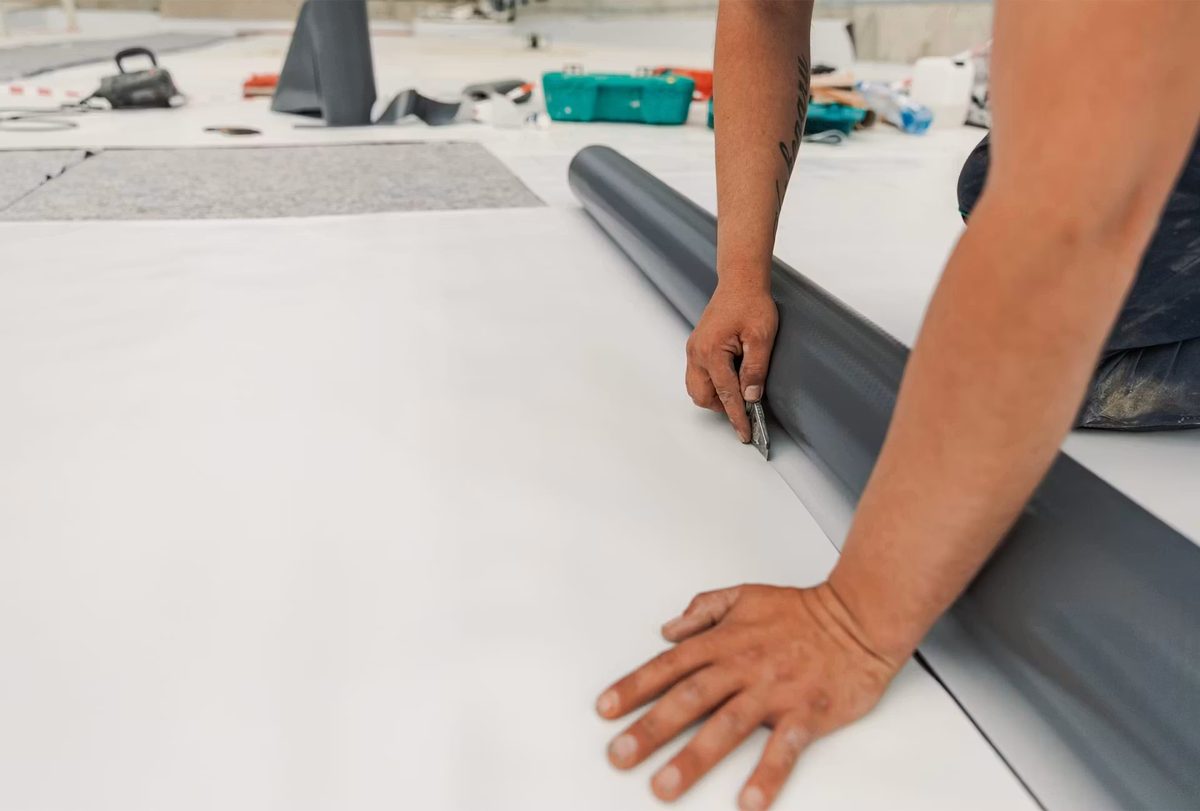
How to read an estimate for a TPO roof in the Antelope Valley, and what to compare line by line.
Choosing a roofer is mostly a matter of reading estimates properly, which nobody teaches. For a TPO roof in the Antelope Valley, this is what to compare and what to ignore.
What actually matters
Membrane thickness, insulation build-up and the number of penetrations to detail around set the price. Sixty mil rather than forty-five is a small percentage on the quote and a large difference in puncture resistance.
The detail that is usually left out
Read the exclusions before the total. The cheapest quote and the best quote are occasionally the same document, and the exclusions are how you tell. Weld testing is the item to insist on. A probe run along every seam while the crew is still on site costs nothing and finds the cold welds that would otherwise be discovered by a tenant in December. Ask how it will be handled in writing, and the rest of the job tends to go the same way.
What is specific to the Antelope Valley
This is desert, and the swing is what does the damage. A hundred-degree afternoon can be followed by a night near freezing, and a roof covering goes through that expansion and contraction every single day for months. Add sustained wind carrying sand, which sandblasts the surface granules off a shingle and dulls a coating, and material here works considerably harder than the same material in the basin. Newer construction dominates, but wind exposure means the perimeter details matter more than the age of the covering.
What we look at before quoting
- Seam integrity, probed along the full length rather than spot-checked
- Punctures and abrasion, especially on traffic routes to rooftop plant
- Membrane shrinkage and any resulting tension at the perimeter
- Flashing and termination bar at every wall, curb and upstand
- Drain sumps and clamping rings, checked and clear
- Fastener plates showing through the membrane surface
- Weathering and chalking of the surface, particularly on exposed elevations
Common questions
What should I check before signing?
Licence status, that the written scope matches what was discussed, and that deck repair is priced per sheet rather than left open.
Is a deposit normal?
A reasonable one is. What is not normal is a large payment before materials are on site, and California limits what can be asked for up front.
The honest summary
TPO is a good system installed properly and an expensive mistake installed quickly. Seams and punctures decide its life, so protect the surface and test the welds. In the Antelope Valley the thing to watch is surface wear from wind-blown grit, perimeter uplift, and any fastener that has begun to back out.
Free inspection, drone photography where access is difficult, and a written estimate with deck repair priced per sheet. No obligation.
More on TPO Roofing
- How Long Does TPO Last in the San Fernando Valley? — Contractor PerspectiveTPO Roofing
- How Long Does TPO Last in Burbank? — Inspection NotesTPO Roofing
- How Long Does TPO Last in the LA Basin? — Contractor PerspectiveTPO Roofing
- How Long Does TPO Last in the San Fernando Valley? — Inspection NotesTPO Roofing