
Sixty Mil or Eighty: Choosing TPO Thickness — Homeowner Checklist
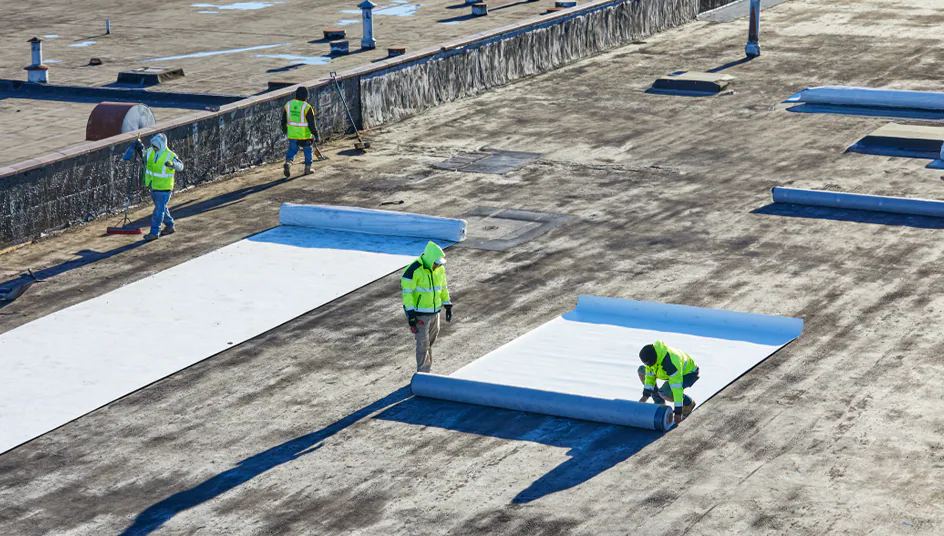
The short list that adds years to a TPO roof in the Antelope Valley, and the jobs that are pure theatre.
Roof maintenance in the Antelope Valley is not complicated, but it is specific, and the parts people skip are the parts that matter. This is what is worth doing on a TPO roof, and what is safe to leave alone.
What actually matters
TPO is a single-ply membrane that is heat-welded rather than glued, which means the roof is only as good as its seams. A properly welded seam is stronger than the sheet either side of it; a cold weld looks identical and is not a seam at all. Maintenance on it is therefore about the parts that move, drain or seal, not the parts that merely look worn.
The detail that is usually left out
Timing matters more than frequency. One visit in late autumn, before the first rain, catches the things that actually matter. Weld testing is the item to insist on. A probe run along every seam while the crew is still on site costs nothing and finds the cold welds that would otherwise be discovered by a tenant in December. None of it is complicated, and all of it is cheaper than the call it prevents.
What is specific to the Antelope Valley
This is desert, and the swing is what does the damage. A hundred-degree afternoon can be followed by a night near freezing, and a roof covering goes through that expansion and contraction every single day for months. Add sustained wind carrying sand, which sandblasts the surface granules off a shingle and dulls a coating, and material here works considerably harder than the same material in the basin. Newer construction dominates, but wind exposure means the perimeter details matter more than the age of the covering.
The full inspection list
- Seam integrity, probed along the full length rather than spot-checked
- Punctures and abrasion, especially on traffic routes to rooftop plant
- Membrane shrinkage and any resulting tension at the perimeter
- Flashing and termination bar at every wall, curb and upstand
- Drain sumps and clamping rings, checked and clear
- Fastener plates showing through the membrane surface
- Weathering and chalking of the surface, particularly on exposed elevations
Common questions
How often should this be looked at?
Twice a year is ideal, and once is enough if you pick the right time: late autumn, before the first rain, catches the things that matter.
Can I do any of it myself?
The ground-level checks, yes. Anything that requires being on the roof is worth handing over, both for your safety and because damage caused by walking on a roof is a common and avoidable expense.
The honest summary
TPO is a good system installed properly and an expensive mistake installed quickly. Seams and punctures decide its life, so protect the surface and test the welds. In the Antelope Valley the thing to watch is surface wear from wind-blown grit, perimeter uplift, and any fastener that has begun to back out.
Free inspection, drone photography where access is difficult, and a written estimate with deck repair priced per sheet. No obligation.