
Standing Seam vs Corrugated: Which Suits the LA Basin? — Quick Reference
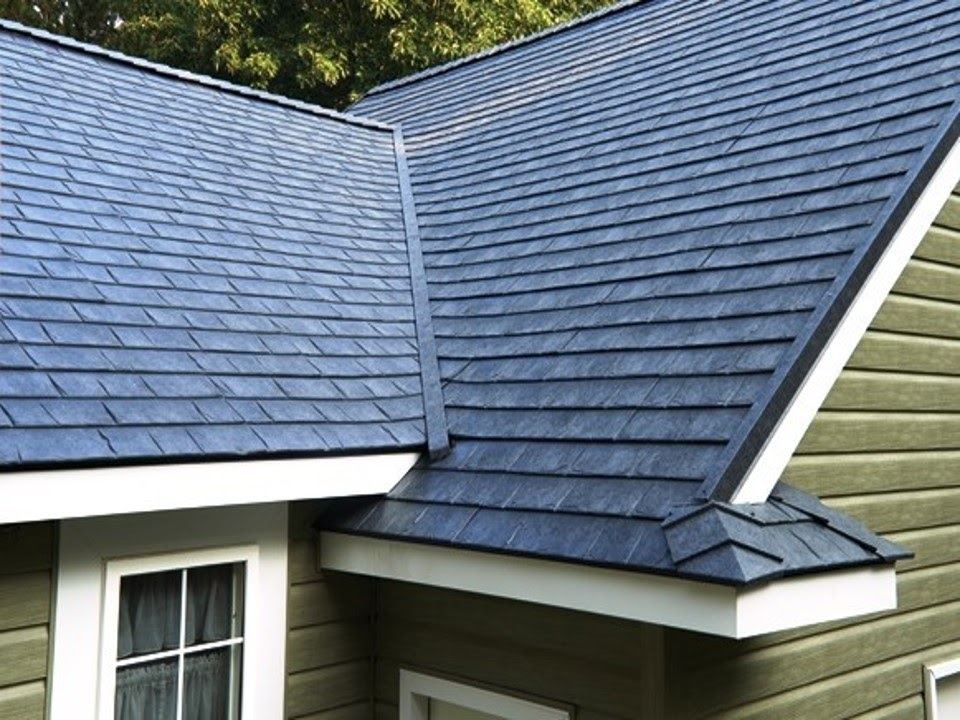
How a metal roof compares in the Antelope Valley once service life is counted, rather than on day one.
Comparisons between roofing systems usually get made on price and appearance, which are the two things that matter least in ten years. For a metal roof in the Antelope Valley, here is what the comparison looks like once service life is included.
What actually matters
A metal roof is a system rather than a covering. Gauge, coating and fixing method decide how it ages, and none of the three is visible from the ground on the day it goes on.
The difference that shows up later
Two systems that cost within a dollar of each other on the quote can differ by a decade in service, and the difference is in the detail rather than the material. Thermal movement is the detail that decides everything. A long panel in this climate grows and shrinks measurably between a July afternoon and the following dawn, and a fixing system that does not allow for that movement will fight it until something gives. Ask how it is fixed down and how it drains before asking what it costs.
How the Antelope Valley settles it
This is desert, and the swing is what does the damage. A hundred-degree afternoon can be followed by a night near freezing, and a roof covering goes through that expansion and contraction every single day for months. Add sustained wind carrying sand, which sandblasts the surface granules off a shingle and dulls a coating, and material here works considerably harder than the same material in the basin. Newer construction dominates, but wind exposure means the perimeter details matter more than the age of the covering.
What we look at on an inspection
- Fastener condition on any exposed-fix section, including washer hardening
- Clip engagement and any sign of thermal binding along standing seams
- Seam integrity down the full run, not only at the visible ends
- Coating condition, with particular attention to cut edges and scratches
- Sealant at penetrations, end laps and every transition
- Panel oil-canning, which is cosmetic but can point to fixing problems
- Corrosion at eaves, cut edges and any point where dissimilar metals meet
Common questions
Which option is best overall?
There is no overall. There is best for this roof pitch, this exposure and this budget, and those three narrow it down fast.
Is the more expensive option always longer-lived?
Usually, but not always, and installation quality closes the gap in both directions. A well-installed mid-range system beats a badly installed premium one every time.
The honest summary
Metal is the longest-lived option available here, but only if the fixing system suits the movement. Ask how the panels are held down before you ask what they cost. In the Antelope Valley the thing to watch is surface wear from wind-blown grit, perimeter uplift, and any fastener that has begun to back out.
Free inspection, drone photography where access is difficult, and a written estimate with deck repair priced per sheet. No obligation.