
Storm Chasers: How to Spot One — Quick Reference
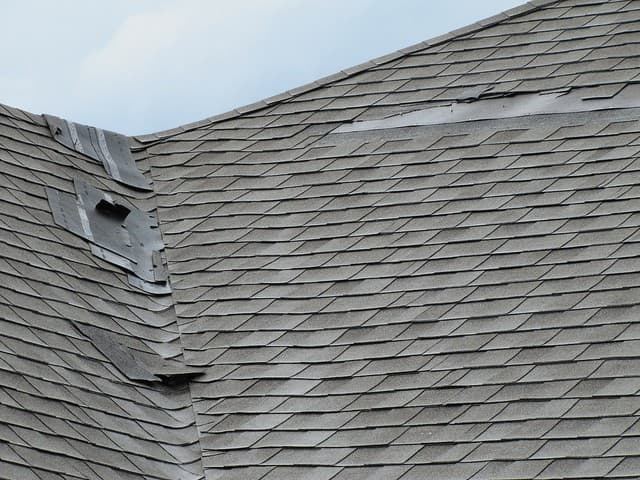
What to do about a roof insurance claim in the Valley in the first forty-eight hours, and what to leave until Monday.
After a storm the useful work happens in the first two days, and most of it is documentation rather than repair. This is what to do about a roof insurance claim in the San Fernando Valley once the wind drops.
What actually matters
Claims get denied on wear and tear far more often than on dishonesty. If the damage cannot be tied to a dated event, an adjuster is entitled to read it as age, and age is not covered by any policy.
What to do in the first forty-eight hours
Document before you touch anything: wide photographs to establish the property, then close photographs of each item of damage, all dated. Photographs with dates, taken before anything is touched, are worth more than any amount of subsequent explanation. Wide shots to establish the property, then close shots of each individual item of damage. A tarp fixed through sound covering creates damage that was not there before.
How the San Fernando Valley changes the answer
Summer is the problem here. The Valley runs ten to fifteen degrees hotter than the coast and holds it for weeks, so a roof surface that reads 90 degrees in Santa Monica is well past 160 in Van Nuys by mid-afternoon. Everything on the roof expands into that heat and contracts again overnight, and it is that daily movement, not the peak temperature, that opens laps and backs fasteners out. Most of the housing went up between 1950 and 1975, which means original decking, undersized ventilation and at least one previous layer that somebody roofed straight over rather than tearing off.
What we look at on an inspection
- Date and details of the weather event being claimed against
- Photographs taken before any temporary repair was carried out
- Every affected element identified, not only the obvious one
- Interior damage documented alongside the roof itself
- Policy deadlines for reporting and for supporting documentation
- Deductible and any applicable percentage clause
- Whether the policy settles on replacement cost or actual cash value
Common questions
Should I get a tarp on it straight away?
Only once it is photographed, and only if it can be fixed without putting new holes through sound covering. A badly fixed tarp creates damage that was not there before.
How soon do I need to report it?
Check your policy, because most impose a reporting window. Reporting early costs nothing and protects the claim.
The honest summary
Document first, repair second, and make sure the scope is complete before anybody agrees to anything. Almost every difficult claim we see went wrong in the first week. In the San Fernando Valley the thing to watch is attic temperature and intake ventilation, because a Valley attic that cannot breathe cooks the underside of the roof as hard as the sun cooks the top.
Free inspection, drone photography where access is difficult, and a written estimate with deck repair priced per sheet. No obligation.