
Clay vs Concrete Tile in the Glendale Climate — Myths and Facts
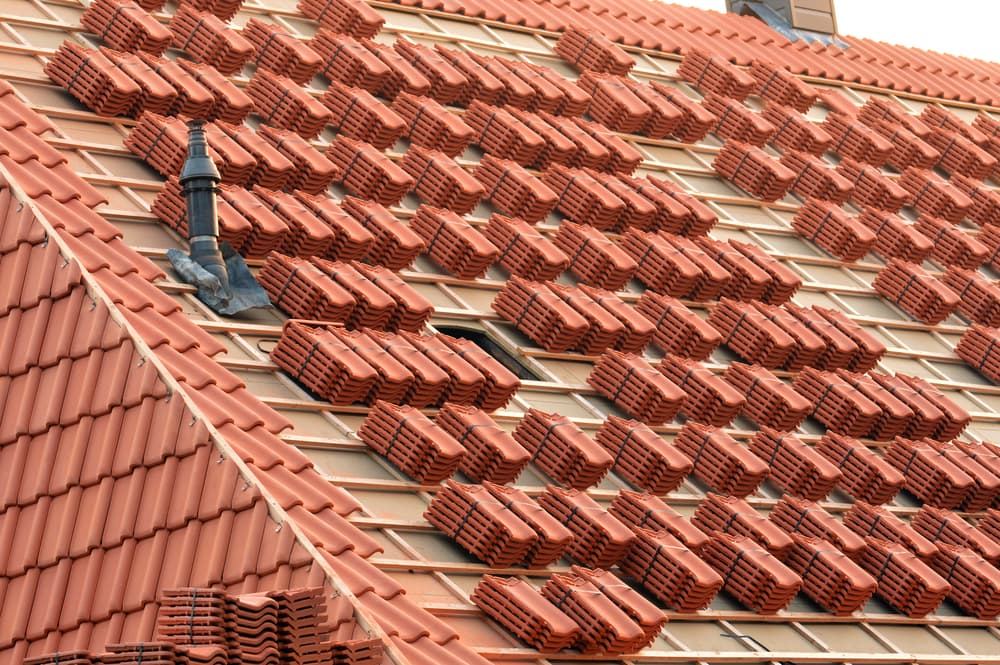
How a tile roof compares in the foothills once service life is counted, rather than on day one.
Comparisons between roofing systems usually get made on price and appearance, which are the two things that matter least in ten years. For a tile roof in the foothill communities, here is what the comparison looks like once service life is included.
What actually matters
The tile is not what keeps water out. The tile is a rain screen and a sunshade; the underlayment beneath it is the actual waterproofing, and it is the part with the shorter life.
The difference that shows up later
Two systems that cost within a dollar of each other on the quote can differ by a decade in service, and the difference is in the detail rather than the material. Bird stops, eave closures and the mortar at the ridge are what most quotes leave out. Leave them off and you have an open roof edge that invites nesting, debris and, in the fire zones, embers. Ask how it is fixed down and how it drains before asking what it costs.
How the foothill communities settles it
Fire exposure changes the specification before weather is even discussed. Ember fall, not flame, is what starts most roof fires, and embers find their way into ventilation openings, under tile at the eave and into any gap at the ridge. Everything else here follows from that: heat, tree overhang and debris load are real, but the fire detail comes first. A mix of older custom homes and newer builds, frequently under mature tree cover that drops debris into the valleys year-round.
What we look at on an inspection
- Underlayment age and condition, checked by lifting tile rather than guessing
- Broken, slipped and previously face-nailed tiles across the field
- Batten condition and fixing, particularly at the eave course
- Valley metal, which usually corrodes before the underlayment fails
- Ridge and hip mortar or mechanical fixing, and any movement in it
- Bird stops and eave closures, present and intact
- Flashing at walls, chimneys and every penetration through the field
Common questions
Which option is best overall?
There is no overall. There is best for this roof pitch, this exposure and this budget, and those three narrow it down fast.
Is the more expensive option always longer-lived?
Usually, but not always, and installation quality closes the gap in both directions. A well-installed mid-range system beats a badly installed premium one every time.
The honest summary
Judge a tile roof by its underlayment, not its tile. A roof that looks flawless from the driveway can be two winters from a ceiling repair, and the only way to know is to lift a few tiles and look. In the foothill communities the thing to watch is ember-resistant detailing at eaves, ridges and vents, plus tree overhang and debris in every valley.
Free inspection, drone photography where access is difficult, and a written estimate with deck repair priced per sheet. No obligation.
More on Tile Roofing
- Matching Discontinued Tile Profiles in Burbank — What Changed This YearTile Roofing
- Matching Discontinued Tile Profiles in the LA Basin — What to ExpectTile Roofing
- Matching Discontinued Tile Profiles in the San Fernando Valley — What Changed This YearTile Roofing
- Matching Discontinued Tile Profiles in Burbank — What to ExpectTile Roofing